Gardeners across the United Kingdom are confronting the aftermath of an unusually long heatwave, with many lawns turning straw-yellow and perennials showing wilted or scorched foliage.
Assessing Damage and Prudent Pruning
The best moments to inspect plants are early morning or evening, when temperatures have dropped. Scorched leaves can mask healthy tissue underneath, so professionals advise against immediate removal of all damaged parts.
Steve Edney, co-founder of The No Name Nursery in Sandwich, Kent, urges gardeners to “hold their nerve.” He recommends leaving dead-looking branches untouched until spring, allowing new leaves to reveal which parts truly need removal.
For flowering perennials with stressed top growth, Edney suggests cutting them back to ground level. He notes that once the heat eases, basal shoots often emerge, providing fresh growth ready for winter.
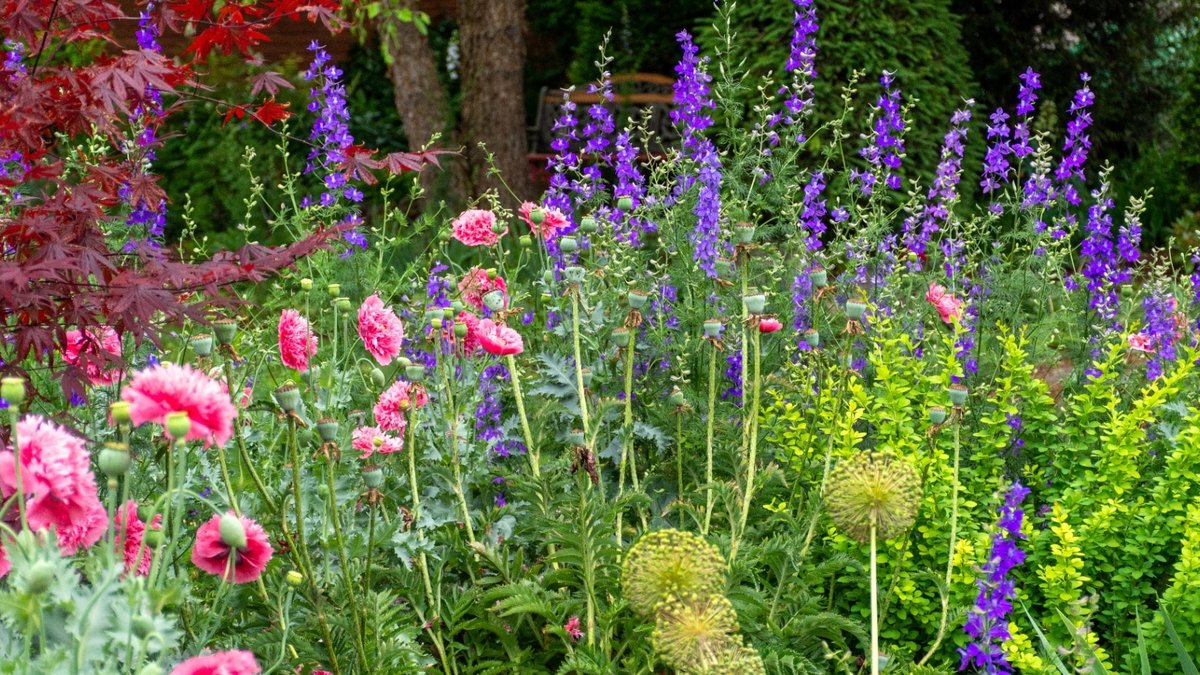
He also points out that resilient species thriving in dry summers—such as summer-flowering alliums and members of the Malvaceae family like Althaea, anisodontea, and lavatera—may be worth expanding in the garden.
Watering Strategies and Soil Care
Naomi Jones, horticulturist at bulb supplier Farmer Gracy, says dahlias are particularly vulnerable, with many customers reporting stunted or deformed blooms and occasional red spider mite infestations.
Jones stresses that dahlias are hardy if not completely dead. She advises using grey water for irrigation and waiting until evening to water drooping foliage, avoiding wasteful watering during peak heat.
When watering, prioritize containers, hanging baskets, seedlings, and newly planted shrubs, as these lose moisture fastest. Apply water slowly and deeply, allowing it to soak before adding more.
Morning watering is ideal; if missed, early evening is the next best window. This timing reduces evaporation and encourages root absorption.
After rain returns, a generous layer of organic mulch, about 6 cm of compost or leaf mould, helps retain soil moisture, suppresses competing weeds, and protects roots from rapid drying.
Mulch should be placed around established plants but kept clear of stem bases to prevent rot. This simple step can markedly improve soil water-holding capacity.
In practice, gardeners who adopt these measures often see quicker revival of lawns. Grass may enter dormancy during drought, turning yellow to conserve energy, yet it can recover once adequate moisture returns.
Experts recommend raising mower height slightly after a dry spell, allowing the turf to regrow before a full cut. Light scarifying and overseeding can fill bare spots.
Choosing drought-tolerant plants, lavender, rosemary, sedum, and verbena, reduces future water demand. Grouping thirsty species together and installing targeted irrigation can further safeguard them during future heat events.
Post-Heatwave Pruning and Deadheading
Regular removal of spent blooms helps plants redirect nutrients to new growth. A gardener can deadhead roses, pelargoniums and dahlias once flowers begin to fade.
Cutting roses just above the first set of healthy leaflets encourages fresh shoots. Using sharp, carbon-steel secateurs produces a clean slice that reduces damage.
Pelargoniums benefit from taking the whole flower stalk back to the main stem. This method also allows the removal of any yellowing foliage that appears.
Dahlias should be trimmed just above the leaf joint, keeping the stem short. Repeated picking can extend flowering into the autumn months, providing a steady supply for cut-flower arrangements.
Preparing for Future Dry Spells
The herb requires occasional shearing in mid-August to prevent legginess, preserving a compact form. It also supplies the raw material for much of the lavender oil produced in France.