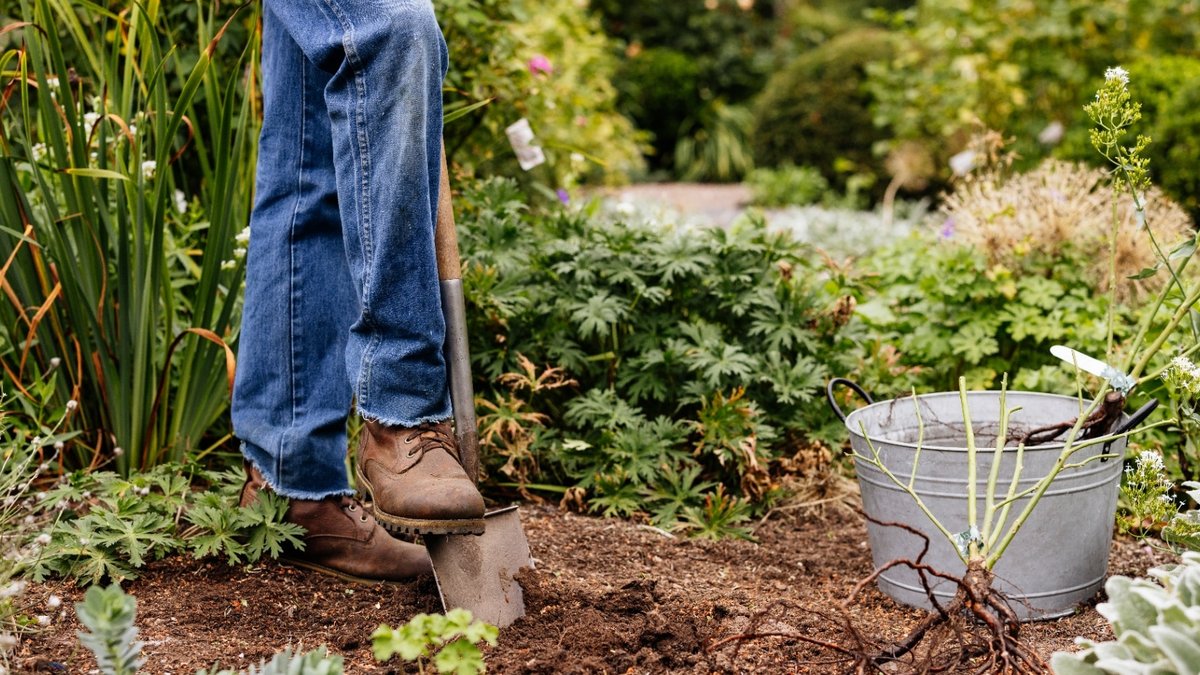
November is a surprisingly productive month for gardeners who love flowers. While the winter garden may seem dormant, it’s an ideal time to sow seeds and plant shrubs, roses, and perennials. These will establish strong roots over winter, blooming earlier and more vigorously than spring-sown plants.
Hardy Annuals and Perennials to Sow Indoors
Sweet peas and wallflowers are icons of the cottage garden, and autumn sowing is a clever trick gardeners have relied on for generations. Sweet pea varieties, or Lathyrus odoratus, are a classic choice for November sowing, and for good reason. The seeds sown now have a chance to develop long, strong root systems over winter, which will lead to sturdier plants that flower from late May, several weeks ahead of spring-sown ones, and keep going for longer.
When growing sweet peas, sow two seeds per root trainer or deep pot, about 1cm deep, in peat-free seed compost. Sweet peas really dislike root disturbance and grow long roots fast, so the sowing depth matters more than width. Keep them in a cold frame, unheated greenhouse, or cool porch, as too much warmth will leave you with leggy, weak seedlings. Once they have three or four pairs of leaves, pinch out the growing tip to encourage bushy side shoots. Cover trays until germination, as you may find that you invite mice to steal the seeds otherwise!
Lupins: Sowing for Summer Splendor
Lupins are a sensational perennial to grow from seed; their towering and tall spines in gorgeous pinks, purples and blues are a cottage-garden staple, and sowing them now will give the plants a head start for flowering in the summer ahead.
The seeds notoriously have quite a thick coat, so if you can, soak them overnight in warm water before you sow them. Sow one or two seeds per module, about 1cm deep, in seed compost. Germination will be helped with some warmth, so a heated propagator, or simply popping the seeds on a bright windowsill, will help this time of year.
Once the seedlings have started growing, you can move them somewhere light and cooler. They are not fans of being moved around the garden, so pot them into deep pots before the roots begin to circle. You can overwinter your lupins in a cold frame or greenhouse, then plant out in spring in sun or light shade, in free-draining, neutral to slightly acidic soil.
You can expect to have a few flowers in the first summer, but in year two you should be dazzled by a more abundant display. A quick warning: watch out for lupin aphid from spring onwards.
Cornflowers: Autumn Sowing for May Color
Cornflowers, Centaurea cyanus, are a hardy annual that, when sown in autumn, will then appear as a flourish of strong and tall plants in May. There are many sensational cornflower shades; the distinctive electric blue is of course most famous, but there are also pink, white, maroon and near-black varieties as well. Sow two or three seeds per module, about 1cm deep, and keep them in a cold frame, unheated greenhouse or cold porch. They germinate in a week or two without extra heat. Thin to the strongest seedling per cell and let them sit quietly through winter. Cornflower seeds are tough and only need protection if the wet and wind are especially dreadful.
You should plant them out in March or early April in a sunny spot, and you can get away with planting cornflowers in different soils; in fact, typically they flower better in poorer ground, so no rich compost is required here, although taller varieties may benefit from additional plant supports to prevent them from flopping over.
Larkspur, Consolida ajacis, is the annual cousin of the delphinium, and is notable for its fabulously elegant spires of blue, pink, lilac and white flowers that are known to dry rather wonderfully. It’s a brilliant candidate for autumn sowing because the seed germinates better after a spell of cold.
Larkspur: Elegant Spires from Autumn Sowing
The catch is that larkspur resents root disturbance, so sow straight into individual modules or root trainers rather than seed trays. Sow two or three seeds per cell, just covered with compost, and keep them dark until germination by covering with a newspaper. A cold frame or unheated greenhouse is the best, and seedlings can sit in their cells over winter with minimal attention. Thin to one plant per cell and plant out in early spring in full sun and well-drained soil, being careful to handle the root ball gently. Space plants around 25 to 30cm apart and give tall varieties support.
Autumn-sown larkspur flowers from early summer, which is well ahead of spring sowings. For dried flowers, cut stems when about half the flowers on the spike are open and hang them upside down somewhere airy and dark. All parts of the plant are toxic if eaten, so wear a pair of tried-and-tested gardening gloves when handling it and keep it away from pets and young children.
Hellebores: Winter Blooms in November Planting
Hellebores are just fabulous in the winter garden, which flower fantastically from December through to March when little else is in bloom. November is a brilliant time to plant them as the soil is still workable and roots will establish before the main flowering season.
Choose a spot in partial shade with moist but well-drained, humus-rich soil, ideally beneath deciduous trees or shrubs. Dig a hole twice the width of the pot, mix in some peat-free multipurpose compost or make your own leaf mould, and plant at the same depth the plant sat in its pot, then firm in and water well.
Helleborus x hybridus, the Lenten rose, is the easiest to grow and comes in shades from white and pink to slate and almost black. The Christmas rose, Helleborus niger, flowers earlier with pure white blooms but will require sharper drainage. All parts are toxic, and the sap can irritate skin, so wear gloves.