A small garden or balcony need not mean abandoning pumpkins and squash. With the right methods, even the most limited space can yield a steady supply of these seasonal favorites—by choosing appropriate varieties and employing smart techniques. Compact plants, vertical training, and careful water and nutrient management transform sprawling vines into orderly, productive vertical gardens.
Choosing the right varieties
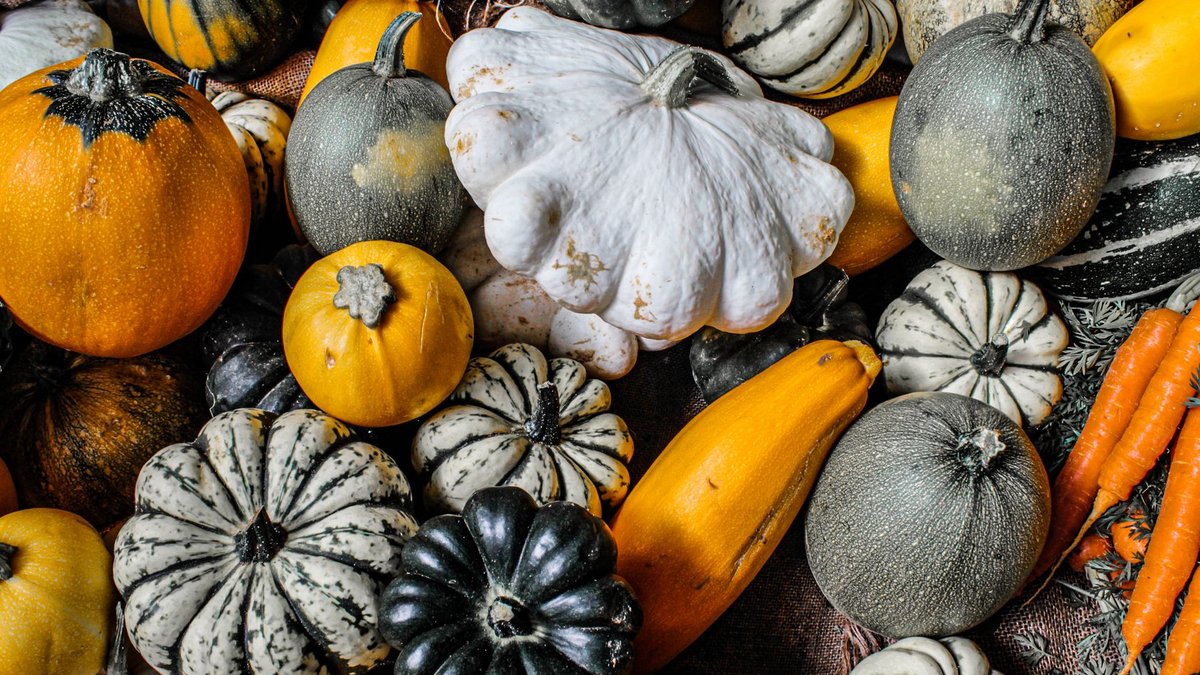
Not every squash or pumpkin variety thrives in tight spaces. Massive types such as Hundredweight or Atlantic Giant spread widely, covering multiple square meters with a single plant. Instead, prioritize bush types or trailing varieties with smaller fruit. Butterbush squash remains compact while producing abundant, pale-skinned fruits known for their rich flavor and long storage life. The Japanese heirloom Uchiki Kuri yields sweet, chestnut-flavored fruits in a striking orange-red hue, perfect for soups or roasting, and adapts well to confined areas.
For pumpkins, Jack be Little matures in 90–100 days, making it ideal for containers or raised beds. Its tender, sweet flesh suits roasting or stuffing. Munchkin pumpkins offer miniature fruits with seasonal colors, useful for both cooking and dried arrangements. Meanwhile, Sweet Dumpling squash produces small, acorn-shaped fruits with buttery orange flesh, well-suited for baking or stuffing.
Even vining types like Tromboncino, an Italian heirloom, can be adapted. Its elongated, curved fruits grow vertically when properly trained, and young shoots can be harvested like zucchini. Selecting the right varieties reduces space requirements while maximizing output.
Containers and supports for vertical growth
Squash and pumpkins require ample root space—not just above ground but below. Their roots spread widely and need 45–60 liters of compost per plant, or a container at least 50 centimeters deep. Small pots dry out quickly in summer, stressing plants and causing them to drop flowers or fruit. A standard grow bag or wooden planter works best, particularly when raised slightly to improve drainage.
Dark plastic containers absorb excessive heat, potentially scorching roots. Lighter-colored pots or fabric grow bags help maintain stable soil temperatures. Fill the container with a mix of peat-free multi-purpose compost and homemade garden compost to provide nutrients. Place it in full sun—six to eight hours daily—and shield it from strong winds.
Read Also: AI speeds up remodeling design process
The most effective space-saving technique involves training vines upward. Without support, a single squash vine can sprawl 3–5 meters. A sturdy trellis, metal arch, or homemade A-frame made from timber and wire mesh redirects growth vertically. Aim for a support 1.5–2 meters tall, as vines and fruit become heavy by late summer. Install the frame before planting to avoid disturbing roots later.
Secure stems loosely to the support every 30 centimeters with soft garden twine, guiding the growing tip upward. The plant’s tendrils will eventually cling, but initial support aids climbing. For heavier fruit, over 1 kilogram, use a sling made from netting or old tights to prevent stem breakage. Once the vine reaches the top, pinch out the growing tip to redirect energy into fruit development.
Vertical training offers additional benefits. It keeps fruit clean and dry, reducing rot and pest damage, and improves airflow to minimize powdery mildew. The result is a neat, high-yielding plant that fits neatly into even the smallest patio.
Planting and care
Squash and pumpkins are warm-weather crops sensitive to frost. In cooler climates like the UK, start seeds indoors from mid-April to early May, sowing one seed per 7.5-centimeter pot, 2–3 centimeters deep. Maintain warmth (18–21°C) until germination, which typically takes one week. Once seedlings develop two to three true leaves, transplant them to 12-centimeter pots.
Two weeks before moving them outdoors, begin hardening them off by placing them outside during the day and bringing them in at night. By late May or early June, when frost risk has passed, they’re ready for their final containers. Alternatively, sow seeds directly into the grow bag outdoors in late May, using a cloche to protect young plants.
Watering and feeding are critical. Container-grown squash require frequent watering in hot weather, sometimes daily or twice daily. Water deeply at the base to encourage root growth, avoiding wet leaves, which promote mildew. A 5-centimeter mulch layer of compost or straw helps retain moisture and keeps roots cool. Once fruits begin to swell, switch to a high-potash liquid fertilizer, such as tomato feed, to encourage flowering and fruiting over leafy growth.
Read Also: AI Adoption Accelerates in Remodeling Industry
Thinning is essential. Winter squash and pumpkins in containers can only fully ripen two or three fruits at a time. Remove any additional fruit that forms later in the season to focus the plant’s energy on fewer, larger, and higher-quality harvests. Place a tile or piece of wood under any fruit touching the pot to prevent rot.
Summer squash like Tromboncino differ. Harvest them young and frequently, regular picking encourages continuous production. Winter squash and pumpkins, however, should remain on the vine until fully ripe, typically from September to October. A ripe fruit will have a hard, thick skin that cannot be dented with a fingernail, a deep, even color, and a hollow sound when tapped. The stem will also begin to dry and crack.
Harvesting at the right time ensures the best flavor and storage life. The stem will also begin to dry and crack near the fruit, signaling readiness. For varieties like Butterbush or Sweet Dumpling, this means waiting until the skin turns a rich, consistent hue and the flesh inside is fully developed.
Use a sharp gardening knife or secateurs to cut the fruit from the vine, leaving a 5–10-centimeter stalk attached. This small stem helps prevent rot during curing. After harvesting, place the squash or pumpkin in a warm, sunny spot for 10–14 days to cure. This process toughens the skin and improves storage potential. A well-cured Uchiki Kuri or Munchkin pumpkin can last for months in a cool, dry place, ideally between 10–15°C. Proper curing also enhances sweetness and texture, making them ideal for roasting, baking, or decorative displays.
Curing and storage for long-term use
After curing, store winter squash and pumpkins in a location with good airflow but protection from frost. A basement, garage, or pantry works well, provided temperatures remain stable. Avoid plastic bags, as they trap moisture and encourage rot. Instead, place fruits on a wire rack or in a cardboard box with ventilation holes. Varieties like Butterbush and Sweet Dumpling store particularly well, retaining their flavor for several months under the right conditions.