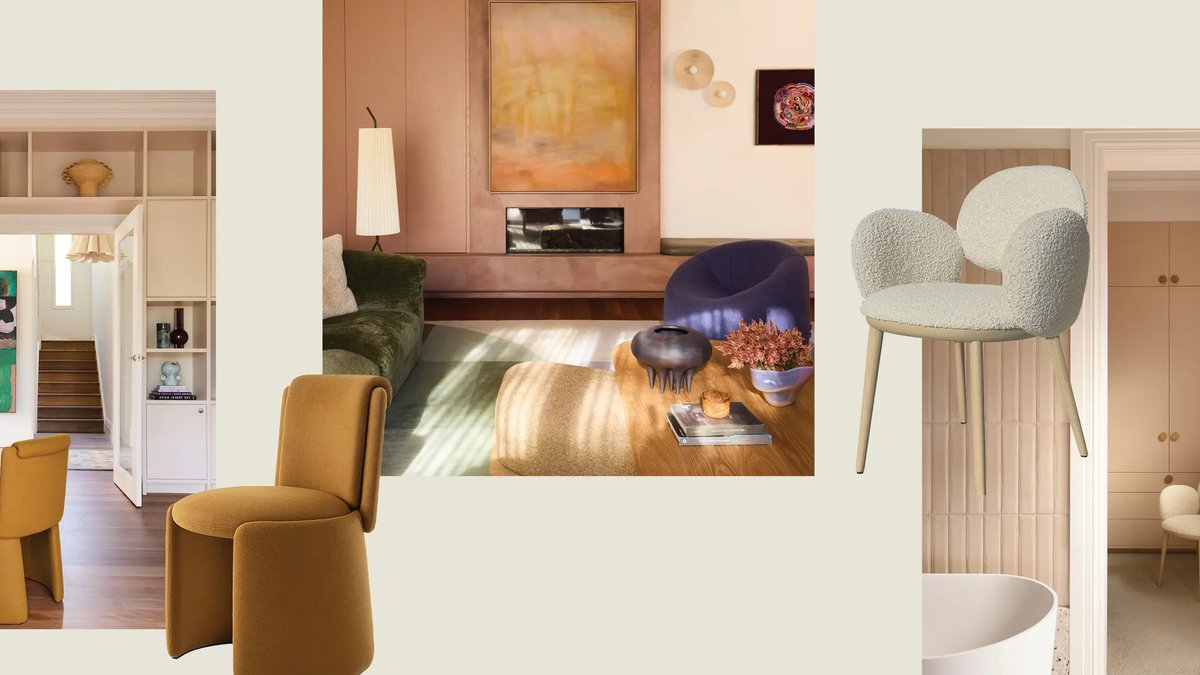
A home should feel inhabited rather than curated. This is the core belief behind Altus Design Studio, a Sydney-based firm specializing in interiors that blend boldness with practicality. Founder Josie Simpson rejects the notion of a house as a decorative display, instead creating spaces that reflect their occupants—striking enough to make an impression, yet functional enough for everyday life.
This philosophy is clear in two recent projects: Karinya House, a family home on Sydney’s North Shore, and Ivy League, a 1910 Federation house transformed with modern furnishings that honor its historical character. In both, Simpson integrates color, texture, and natural materials with carefully chosen furniture and art, ensuring each element feels deliberate rather than arbitrary.
Why homes often feel rigid—and how to correct it
Clients frequently seek interiors that feel both lively and serene, Simpson observes. The solution lies in balancing restraint with intentional contrast. “Not every element needs to be the hero,” she explains. A striking color or sculptural form can anchor a room, but it must coexist with quieter materials and solid proportions to avoid visual overload. Craftsmanship and scale are just as critical as aesthetics, an unexpected shape or hue gains sophistication when executed with precision.
For example, the Ligne Roset Pumpkin Armchair in Karinya House serves as both a conversation starter and a practical seating option. Its swivel design and organic curves make it adaptable without clashing with the room’s other elements. The chair’s role mirrors that of art: it grounds the space without dominating it.
Related Post: Cape Paterson home sets new benchmark in eco-friendly design
Simpson avoids uniform furniture sets, opting instead for collections that appear organically assembled over time. In Karinya House’s open-plan living area, chairs and tables share visual connections, through color, material, or scale, but each maintains its own identity. The effect is a layered, lived-in aesthetic that rejects the sterile uniformity of coordinated suites.
Creating personality through contrast
The secret to balancing boldness and refinement is deliberate contrast. At Ivy League, Simpson selected the HC28 Cosmo YAYA Armchair not to harmonize with the existing palette, but to create visual tension. Its shape and hue provide a counterpoint to the vintage rug and fireplace, making the room feel more dynamic. “Ivy League already has plenty of character, colour and detail, so the chair didn’t need to shout for attention,” she says.
When choosing furniture, Simpson looks for pieces with distinct qualities, unusual silhouettes, rich textures, or unexpected colors. Each should contribute beyond its function, adding warmth, depth, or a visual link to other elements. The goal is durability. “We don’t want every piece to demand attention, but there should be a reason for each piece being there,” she states.
Simpson’s studio sources furniture from global brands, including DOMO, Australia’s leading retailer for European and international designs. The company’s showrooms in Melbourne, Sydney, and Brisbane offer curated collections for those seeking statement pieces.
Related Post: Federation-era home blends with its natural surroundings
Simpson’s work demonstrates that personality in a home isn’t about excess; it’s about purpose. A single sculptural chair, a bold artwork, or a striking color can transform a space, but only if they serve a functional or emotional role. The most effective interiors, she argues, feel evolved rather than assembled.
Her design process begins with understanding how a space will function, not just its visual appeal. In Karinya House, the Pumpkin Armchair’s swivel mechanism was chosen for both its look and its adaptability. “Families gather in that corner,” Simpson explains, “so the chair needed to accommodate different activities, whether someone is facing the fire or engaging with guests.” This practicality extends to smaller details, like table placement or shelf height, which must support movement and daily routines.
How Josie Simpson Selects Statement Furniture
Josie Simpson chooses furniture that serves both visual and functional purposes. In the Ivy League project, the HC28 Cosmo YAYA Armchair was selected to introduce contrast rather than blend seamlessly. Its form and color create tension with the room’s vintage elements, reinforcing the space’s character without overwhelming it.
Preventing the “new home” illusion
Simpson’s most common advice to clients centers on avoiding the sterile appearance of a freshly staged home. “People often fear mistakes,” she says, “but the best interiors feel naturally evolved.” To achieve this, she encourages clients to incorporate personal items, family photographs, vintage books, or heirlooms, early in the process. “Those pieces add meaning that no design can replicate,” she explains. At Karinya House, a child’s artwork on a floating shelf remained untouched during renovations, reinforcing the home’s lived-in feel.