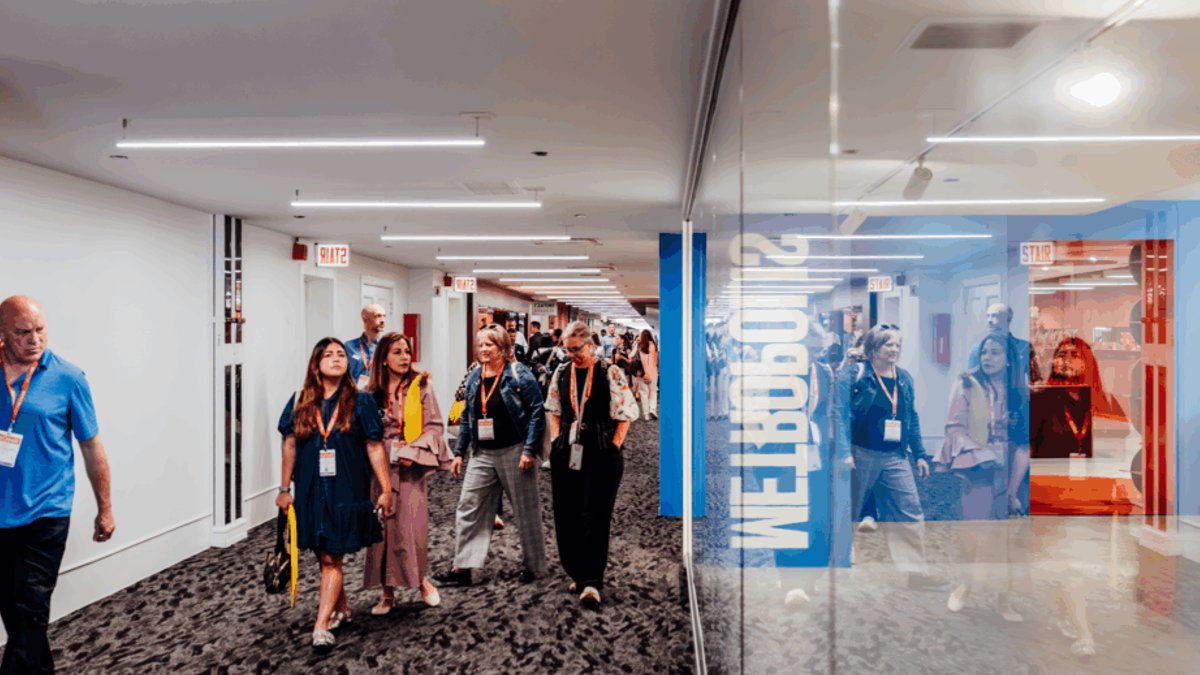
The recent METROPOLIS Leadership Summit at NeoCon brought together senior designers to confront the growing tangle of sustainability data and to explore how the industry can broaden participation beyond its usual circles.
Data Overload and the Search for Meaningful Priorities
Opening the session, participants were asked what truly matters amid a flood of frameworks, certifications and carbon‑reduction goals. One attendee noted that the amount of information on material health, circularity and product impacts has become a “firehose,” making it hard to decide which metrics deserve attention.
The consensus was that designers do care, but the real hurdle lies in helping clients see the relevance of those numbers. “If we can connect sustainability to desire, joy, and the creation of a better world, we are probably moving in the right direction,” a designer said.
Related: Hidden worth of old buildings revealed
Several leaders highlighted the Common Materials Framework as a potential shortcut through the maze, suggesting that a unified system could replace a patchwork of reporting tools. While certifications remain useful, the group warned against treating them as the ultimate goal.
Metrics alone rarely spark engagement; the discussion repeatedly returned to translating technical data into shared human values—healthier neighborhoods, environmental justice and better outcomes for future generations.
In the middle of the debate, it became clear that the challenge is less about lacking data and more about aligning around common objectives.
From Parallel Efforts to Inclusive Collaboration
The second half shifted focus to how the design community can move from isolated projects to collective action. Participants dismissed the notion that parallel initiatives inherently cause fragmentation; instead, they identified a divide between firms already committed to sustainability and those still on the periphery.
Related: Lowe’s Sells Outdoor Power Tools at Up to 42% Off
One designer challenged the room to consider whether sustainability sometimes presents itself as a cultural identity rather than a set of broadly shared values.
The conversation highlighted the importance of invitation, accessibility, and shared values as a way to broaden the dialogue.
While the dialogue was rich, the takeaway remains clear: the industry must simplify its own language, focus on shared outcomes, and open the floor to voices that have been underrepresented. Only then can the flood of data become a tool for real change rather than a source of overwhelm.