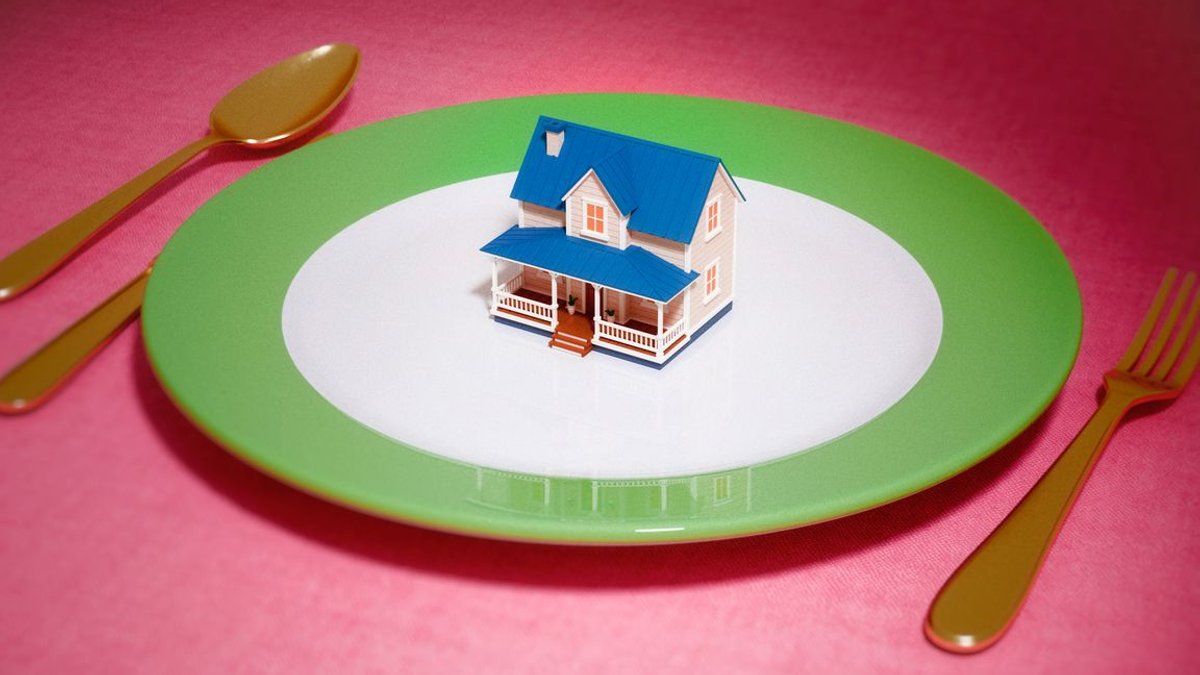
Weight loss drugs are reshaping homes across the United States. As millions of people take GLP-1 medications to shed pounds, their changing bodies are triggering a cascade of domestic upgrades. The shift is evident in everything from expanded closets to reimagined kitchens and wellness-focused bathrooms.
The closet expansion
Interior designer Tristan Gary started taking Wegovy two years ago and immediately began filling her Seattle closets. She has maxed out her primary storage space and the closet in her home office. In need of more room, she recently took over the bedroom of her eldest son, who is in college. Gary plans to buy a home in 2026 to build a dream dressing room featuring illuminated drawers, built-in dry-cleaning storage, and ample shoe shelving.
She even wants a compact refrigerator in the closet. The fridge will hold oat milk, Champagne, and vials of Wegovy, according to Gary. This setup creates a space that functions as storage, a sanctuary, and a reward.
The trend is widespread. Los Angeles designer Jaime Rummerfeld estimates that at least 30% of her clients are on a weight-loss drug. Clients rarely volunteer this information, but Rummerfeld can tell when a major life change has occurred. “It’s a complete game changer for them, which translates to how they live in their homes,” she says.
Decentering the kitchen
Although the kitchen is often called the heart of the home, its role is evolving. Design historian Amy Azzarito notes that for much of history, the bedroom was the true social hub. In the 1960s, kitchens moved to the center of the house as gathering places, but GLP-1s may be reversing this trend.
Related: Matt Damon’s homes around the world revealed
These medications quiet “food noise,” the reflexive urge to raid the snack drawer after work. Dr. Amanda Kahn, an internist and longevity specialist in New York City, says she now spends far less time in the kitchen. “Pre-GLP-1, I would come home and walk straight into the kitchen,” she says. “The kitchen is where people were always coming and going and was the central meeting area. But that’s changed.”
North Carolina designer Elizabeth Valkovics of Batten Court sees this shift in her clients. They want spaces oriented around simple, everyday cooking rather than “performative” kitchens built for splashy holiday meals. “As more people take these medications, the focus could shift from the kitchens to lounge areas and wellness spaces,” Valkovics says.
Chicago designer Amy Storm is building “enhanced pantry spaces” for targeted food prep. These areas might include a smoothie station with a blender, under-counter refrigerated drawers for yogurt or fruit, and a cabinet for supplements. This reconfiguration moves away from the sprawling kitchen toward micro-zoned living.
Reenvisioning the living room
If the kitchen is losing its grip on the center of domestic life, the living room may be stepping in. Liz Craft, a screenwriter who lost 40 pounds on Mounjaro, reports a new enthusiasm for entertaining. She and her husband have bought new outdoor drinks tables, serveware, and wine glasses. They recently hosted a mahjong party with 20 people.
Seattle designer Tristan Gary sees this spark in her own clients. “They’re hosting more, sharing more with friends and family, and wanting the spaces for that to be really beautiful,” she says.
Related: IKEA Tips for Blanket Storage and Organization
The home bar is becoming less common. Interior designer Philip Gorrivan, who has been practicing for over 20 years, has not built a single bar in his past four or five projects. “People just aren’t asking for them anymore.”
The bathroom as a wellness hub
The bathroom is becoming a home base for many GLP-1 users. New York City designer Susana Simonpietri of Chango & Co. hides refrigerators behind paneling finished to match the vanity. Clients had long requested small units for peptides and beauty products, but GLP-1s have made the case even more compelling.
Simonpietri is also building syringe storage and disposal into her vanity designs. This includes undercabinet pullouts for unused syringes and top-loading sharps-disposal bins. “Some of the bins are red and horrible looking, but others are white and quite fine,” she says. “There’s a nice dignity to having these things in your bathroom.”
Keeping medication where you use it improves adherence. Kahn has found her patients are “so much more adherent and consistent” when they don’t have to trek to the kitchen. Gary speaks from experience. She takes her medication on Sundays and often forgets to take it until she passes the kitchen on her way to the bathroom.
This shift is happening alongside a broader transformation. Designers are incorporating freestanding soaking tubs, cold plunges, and infrared saunas into primary bathrooms. “I’ve found that once people are on the GLPs and losing weight, it often kick-starts a deeper dive into wellness in general,” Rummerfeld says.
Related: Cheaper Eco-Friendly Material Replaces Quartzite and Marble
Snore-free bedrooms
GLP-1s appear to be softening demand for “sleep divorces.” Nearly one in three Americans report sleeping apart from their partner to avoid snoring. Zepbound is FDA-approved to treat obstructive sleep apnea, and GLP-1s have been found to reduce snoring broadly.
Liz Craft experienced this firsthand. Before starting Mounjaro, she slept on a “crazy pile of multiple pillows” to quiet her snoring. After losing weight, her snoring vanished. She now sleeps on a single pillow. “We are cuddling more, and the whole bed is more comfortable for both of us,” she says.
The drugs also cause users to feel colder. Bodies lose fat insulation, so users reach for extra blankets. Celerie Kemble found a solution in an Eight Sleep mattress topper. It tracks body temperature and regulates each side of the bed independently.
Getting dressed has become fun for many users. Houston-based interior designer Marie Flanigan recently worked with a client who lost 80 pounds. Flanigan incorporated a home salon—a custom chair and shampoo bowl—into the project. The client wanted a space that celebrates the daily ritual of getting dressed.