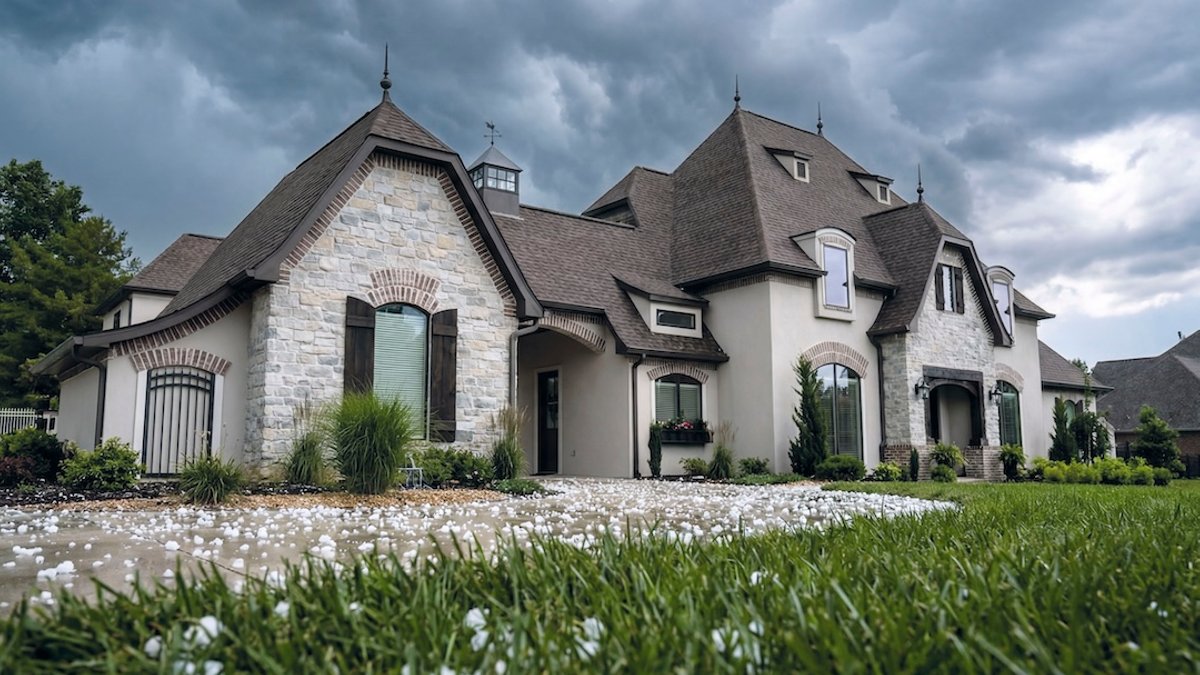
Extreme weather is damaging homes at an increasing rate. Hail, high winds, and heavy rain are testing roofs beyond their limits, and repair costs continue to rise. U.S. residential property claims for roof damage reached $31 billion in 2024, according to risk assessment firm Verisk Analytics. That figure demonstrates the roof’s importance as the primary barrier against water, wind, and structural harm.
The roof’s role in protecting a home
The roof serves functions beyond keeping rain out. It directs water into gutters, blocks moisture from reaching the decking, and supports the entire structure. When shingles deteriorate, problems escalate quickly. Water that penetrates the roof can rot rafters, warp ceiling joists, and cause walls to shift. In severe cases, the roof may collapse.
Most homeowners only consider their roof when a leak appears. By then, damage has already occurred. Early detection prevents small issues from becoming costly repairs.
How to spot roof damage before it’s too late
Curling or cupping shingles signal trouble. When edges warp, shingles dry out and lose their ability to repel water. Missing or cracked shingles are more serious, exposing the roof deck to the elements. A few damaged shingles can be replaced, but widespread problems require a full replacement.
Granules in gutters indicate aging shingles. As they wear, they shed their protective coating, creating weak spots. A quick attic inspection may reveal water stains or rotting wood, confirming moisture intrusion.
Age also plays a role. Standard 3-tab shingles last 15 to 20 years, while architectural shingles can last up to 25. If nearby homes were built around the same time, note when neighbors replace their roofs. Yours may need the same attention soon.
Delaying repairs leads to mold, insulation damage, and electrical hazards if water reaches wiring.
Many homeowners overlook how the right materials can lower risks. A roof designed for extreme weather offers more than durability—it provides security. Shingles like TAMKO’s HailguardTM shingles are designed to endure heavy snow and rain that can wear out shingles, high winds that threaten to peel them off the roof, and hail that can crack their surface. Proper attic ventilation also helps extend roof life by reducing heat buildup.
What makes a roof truly weather-resistant
Roofing prevents moisture from finding its way into your home’s roof decking thanks to a multilayered design that includes an asphalt layer that causes water to bead up and run off the shingles and a protective coating of granules that disperses water as it hits the roof. There’s also underlayment below the shingles that functions as a second line of defense against water.
These specifications reflect the engineering behind a roof built for real-world conditions. A roof functions as a system, where underlayment, installation methods, and nail types all influence performance.
For most homeowners, the roof remains overlooked until problems arise. With extreme weather becoming more frequent, this approach carries greater risk. The best time to inspect a roof isn’t after a storm—it’s before one hits. Regular checks can prevent costly damage, and knowing when to replace aging components ensures long-term safety.