Fire extinguishers aren’t a set‑and‑forget safety tool; they come with built‑in expiration dates that can affect performance when a fire actually breaks out.
How long a typical extinguisher lasts
Most units remain effective for 5 to 15 years, depending on the type of extinguishing agent and how they’re stored. Whether the cylinder holds dry chemicals such as carbon dioxide, halon, or ammonium phosphate, the pressure inside will eventually drop, and the chemicals can change form.
Dry‑chemical models lose charge as the internal pressure wanes. Compressed‑gas extinguishers may develop slow leaks as seals weaken. Ammonium phosphate can solidify over time, turning the powder into a clump that won’t discharge properly.
Manufacturers attach a paper tag to each unit that records maintenance dates. While the tag itself doesn’t list a specific “expires on” date, a record older than ten years usually signals that the extinguisher is nearing the end of its service life and should be replaced.
Checking the gauge and other visual cues
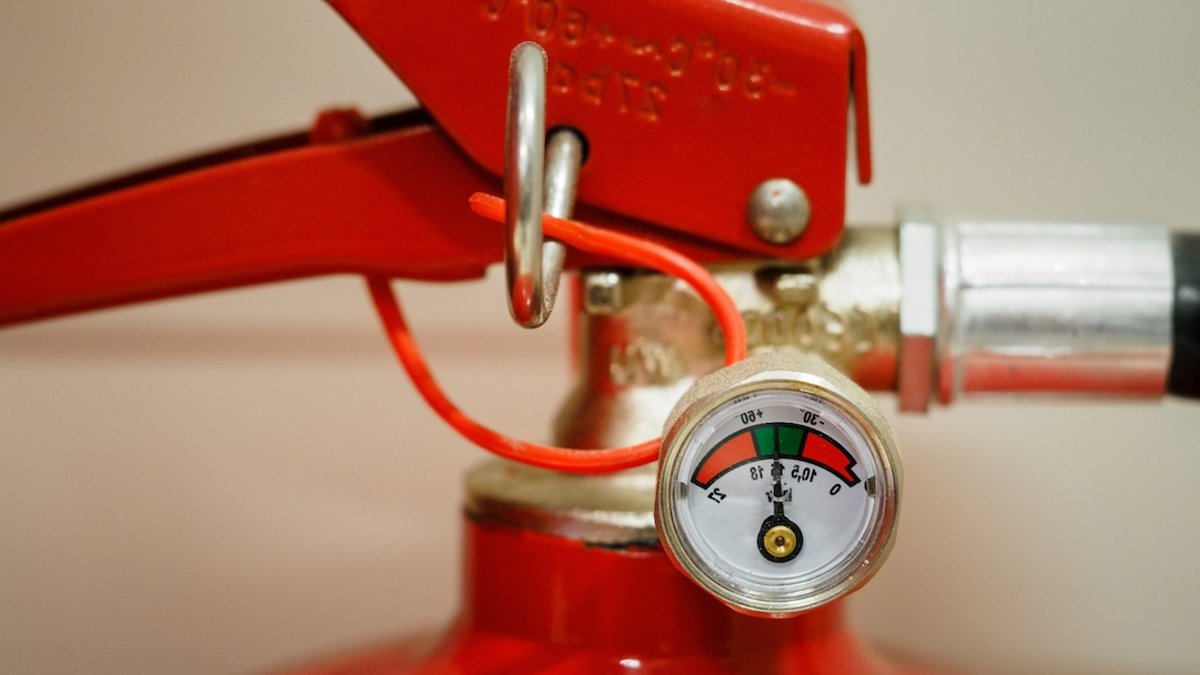
Many modern extinguishers feature a pressure gauge. If the needle sits in the green zone, the device is ready for use. A needle that falls into the red or white area indicates low pressure and the need for servicing.
Related: Greenworks Power Tools Top the List
Older models often lack a gauge altogether. In those cases, a professional inspection is advisable. A dented or bruised canister, missing tamper seal, or absent pin can turn the extinguisher into a hazard, potentially exploding if mishandled.
Environmental factors also play a role. Exposure to direct sunlight, rain, wind, or high humidity can cause corrosion and rust, while dusty or dirty surroundings may clog discharge mechanisms.
To locate a qualified service provider, a simple search for “fire extinguisher specialist near me” will return local professionals. Recharging a unit typically costs between $15 and $20, a fraction of the price of a new device, which often starts at around $100 depending on its class rating.
When an extinguisher is deemed beyond repair, it must be disposed of properly. The device still contains pressurized chemicals that can be hazardous if dumped in regular trash. Most fire departments or municipal hazardous‑waste sites accept expired units, though callers should verify acceptance policies first.
Improper disposal can lead to fines and environmental contamination, making the correct drop‑off procedure an important step in fire safety maintenance.
Related: Dyson tower fan delivers quiet power
Regular maintenance saves lives.
For homeowners, the practical upshot is clear: a functional extinguisher is only as good as its last check. Regularly inspecting gauges, tags, and the physical condition of the unit helps ensure readiness without surprise failures.
In everyday terms, this means setting a calendar reminder to glance at the gauge each month, keeping the extinguisher away from harsh weather, and arranging a professional recharge before the ten‑year mark on the maintenance tag.
While the cost of a recharge is modest, the peace of mind that comes from knowing the device will actually discharge when needed is priceless.