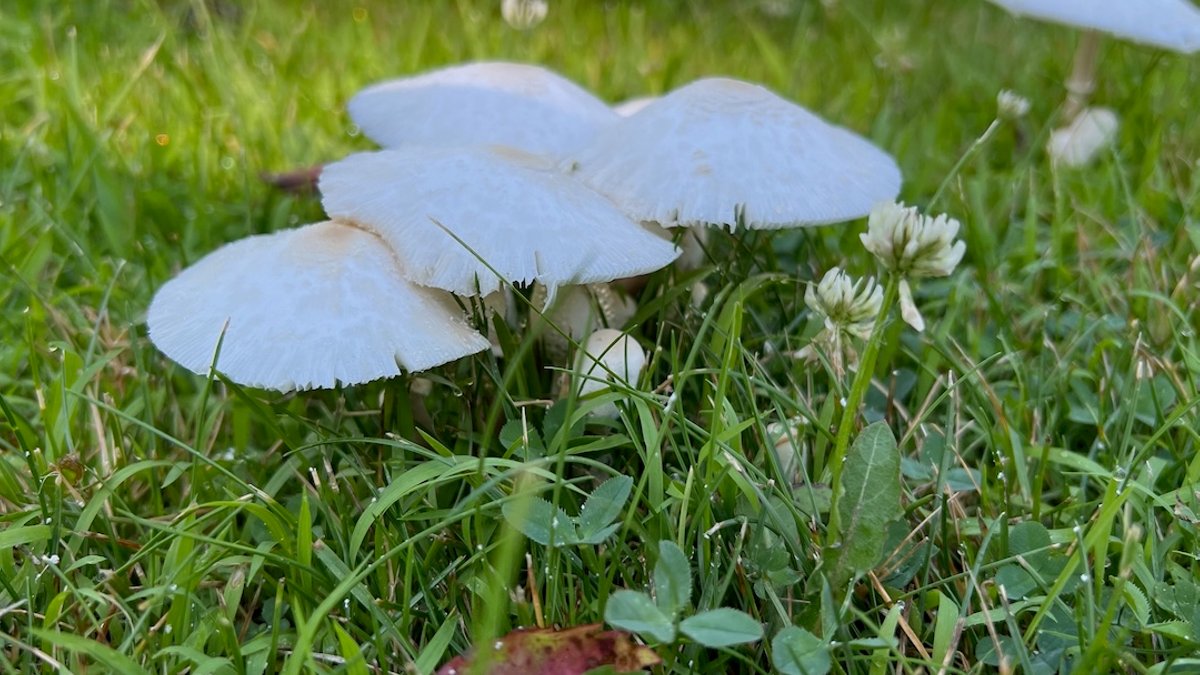
Seeing lawn mushrooms pop up after a rainy spell is a familiar sight for many homeowners. While the sudden appearance of fungi can look unsightly, these organisms usually pose no threat to the grass itself. In fact, their presence often signals a robust underground ecosystem working to improve soil health. Most gardeners can choose to leave these growths alone, though removal is an option if the aesthetic doesn’t fit the setting.
The Science Behind the Growth
Mushrooms are simply the visible fruiting bodies of fungus. Just like flower seeds, mushrooms serve to reproduce a fungus and ensure its survival. Instead of spreading seeds, fungi have microscopic spores on their gills that either blow with the wind or travel with critters who eat them. Researchers have found that mushrooms can even create their own airflow to ensure the spores scatter and then germinate in new soil. The fungi living beneath the soil are constantly breaking down organic debris like fallen leaves and grass clippings, turning that material into nutrients that feed the turf. This process helps soil retain water and improves its overall structure. Mushrooms provide your lawn with nutrients. Hyphae help break down organic matter into the elements plants need, including carbon dioxide, and nutrients such as phosphorus, nitrogen, potassium, and other macronutrients, plus micronutrients.
“Mushrooms are actually a good sign that your lawn’s soil is healthy,” said David Cusick, executive editor of House Method. Experts note that these fungi are performing essential work beneath the surface, decomposing matter and improving soil structure. About 50 species of fungi can form fairy rings or cause mushrooms to sprout in turf. These organisms might crop up because of cool, wet evenings in the weather pattern that cause the soil to stay wet and produce perfect fungus growing conditions. The appearance of white, puffy balls or half-circles often follows the dry, brown patches associated with these rings. While generally harmless, a few lawn mushroom species are toxic, and kids or dogs might eat them, leading to stomach upset. If you have pets or small children, it is best not to take a chance with the unknown varieties.
Managing the Fungi
If the mushrooms are simply a cosmetic annoyance, there are several ways to manage them without resorting to harsh chemicals. The most effective approach usually involves addressing the moisture levels and organic debris fueling the growth. Fungus thrives in damp, dark environments, so improving drainage is a critical first step.
Related: Dyson tower fan delivers quiet power
Homeowners dealing with persistent moisture should consider aerating the lawn. This process improves air circulation and helps water drain away from the grass roots rather than pooling. Amber Guetebier, a contributing writer, noted that in drier climates, overwatering often leads to unexpected fungal blooms. She adjusted her routine to water only once or twice a week and used a manual aerator to fix drainage in problem areas, which eventually eliminated the issue.
Fungi also feed on decaying organic matter. To starve them of food, you should reduce the amount of thatch or leaf litter sitting on the surface. If the mushrooms are growing from buried tree roots or construction debris, digging out that material may be necessary. It is best to remove the visible mushrooms and throw them in the trash immediately; placing them in a compost pile will only spread the spores.
There is often a conflict between the biological necessity of fungi and the aesthetic expectations of homeowners. Many people view decay as a sign of neglect, yet the breakdown of organic matter is actually the primary engine of soil fertility. By focusing solely on removing the mushrooms, one might inadvertently disrupt the hyphae networks that are essential for nutrient uptake, treating a symptom rather than caring for the soil.
For those needing to address structural issues in their yard, a silent stair repair can also improve the overall drainage profile of a property.