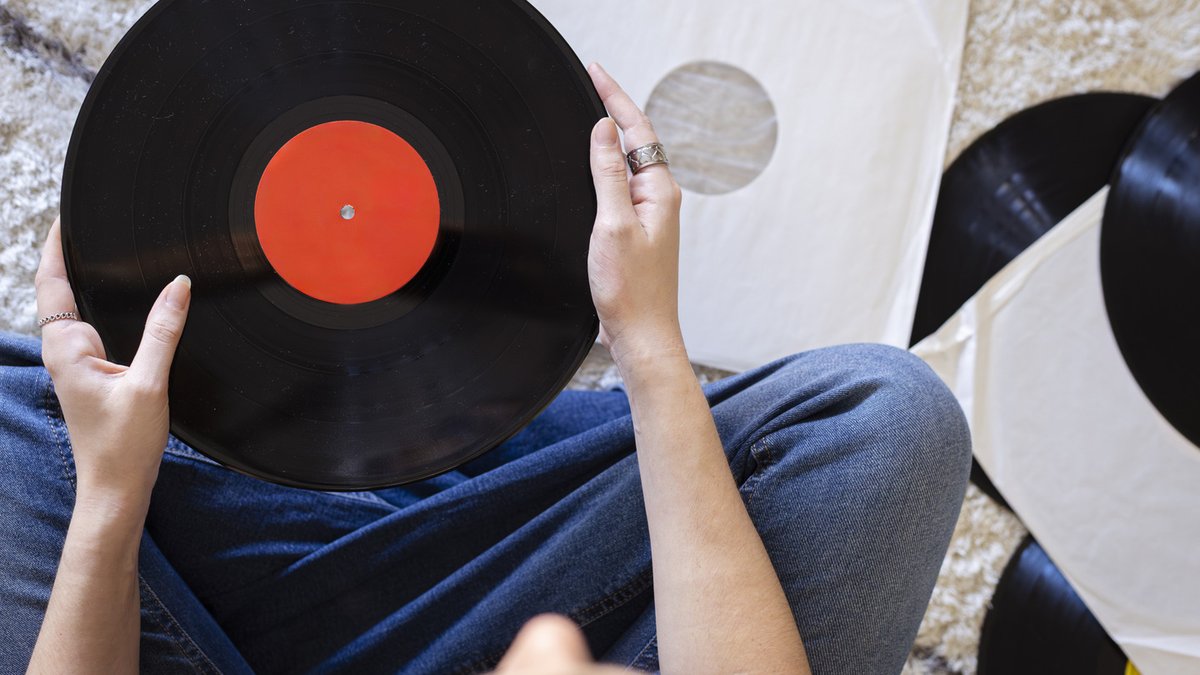
DIY enthusiasts and thrift store shoppers looking for budget-friendly home projects are turning to an unconventional material for storage solutions: thrifted vinyl records. One viral TikTok video showed a creator melting old records into bowls, sparking a wave of interest in transforming plastic discs into functional household items. The trend relies on heating the records until they soften, allowing crafters to mold them into various shapes for use as bowls, bookends, or even lamp shades. This specific technique used by @hdl.leonie involved heating a record in an oven with a bowl inside to create the desired drape.
While the oven method is common, other crafters use hot water, boiling water, or even a clothes iron to soften the material. Some people even leave records in the sun to achieve the same pliability. Regardless of the method, the goal is to reach a temperature range where the vinyl becomes workable but not yet melted into a puddle. Beyond the draped bowl shape, the material can be manipulated into gramophone horns, cubes, or lamp reflector shades. Erin Napier has used the technique to create bookends, giving the items a distinct kitschy charm that fits well in informal spaces. For those who prefer not to risk ruining a record, alternatives include using papier-mâché, air-dry clay, or simply painting an existing thrifted bowl to mimic the look of a record.
Related: Simple trick traps gnats with pickle jars
The project has drawn significant concern from viewers regarding the material itself. Vinyl records are made of polyvinyl chloride, or PVC, which is the same material used in pipes and flooring. At room temperature, the plastic is stable, but it becomes flexible between 77 and 140 degrees Fahrenheit. As the heat rises, the material begins to off-gas plasticizers and other additives as volatile organic compounds (VOCs). Once the temperature hits 212 degrees, the record begins to melt.
Although the off-gassing typically diminishes over time, heating vinyl can still cause additional VOCs to be released. The potential for toxic fumes is why experts advise performing the heating process outdoors or in a well-ventilated area. It is also critical to use a dedicated oven for crafts rather than one used for preparing food, as residual chemicals could contaminate dinner. While the process offers a creative outlet for disposing of unwanted albums, it carries inherent hazards that serious DIYers must weigh before proceeding. The visual appeal of a wavy record bowl is undeniable, but the chemical trade-off requires careful handling and a dedicated workspace.