Milan Design Week wraps up every year with a parade of giant inflatables and a surplus of tote bags, yet this year’s Salone del Mobile and Fuorisalone took a different approach to the city’s chaotic energy. While visitors still encounter giant inflatable octopi and fruit-shaped merry-go-rounds, the trade show floor also showcased a quieter, more urgent shift toward environmental responsibility. Brands are increasingly prioritizing lower-impact materials, aiming to reduce the waste generated by the massive installations themselves, and attempting to make their products easier to recycle once they reach the end of their life.
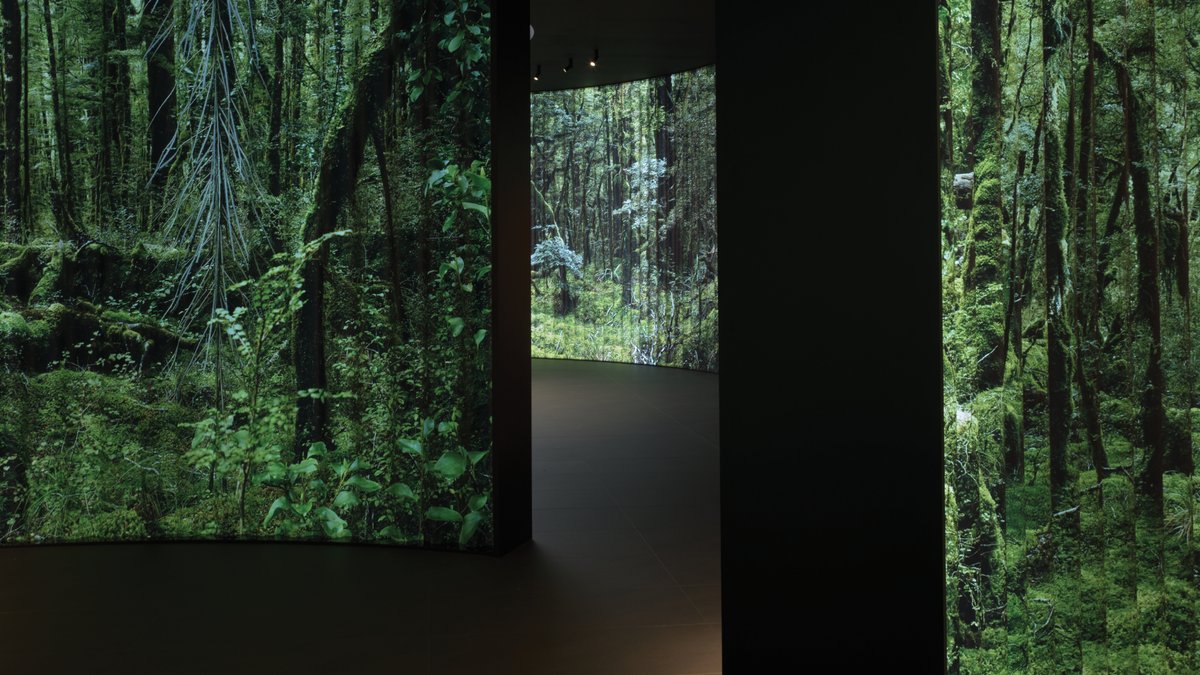
Sustainability at these massive events often feels like a paradox. Even companies selling climate-conscious products frequently generate significant waste through their booth construction. However, some exhibitors are finding ways to mitigate this. Knoll has reused its metal grid booth for several years, while Miele’s modular design is set to be rebuilt in the United States. Fisher & Paykel plans to repurpose the native Tōtara wood from their showroom back in New Zealand.
Related: Planet Positive Awards Jurors Announced for 2026
Amidst the spectacle, a publicist from a major furniture brand known for its sustainability initiatives asked whether the industry is still interested in these efforts. The broader industry sentiment suggests they are. According to the inaugural METROPOLIS Interface U.S. Sustainable Design Report 2026, most A&D professionals care deeply about embedding sustainability into daily practices and have the tools to do so.
Focus on recyclable materials and circular systems
Several brands presented products designed with circularity in mind. Andreu World, which holds 100 percent FSC certification, introduced a new color palette of BIO thermopolymer. This fully recyclable, biodegradable, and compostable plastic resembles wood and is now available in hues selected by designer Patricia Urquiola. Alongside the new palette, the company presented the Bolete and Calma lounge collections, both of which are 100 percent cradle-to-cradle.
Arper released the new Aom collection by Jean-Marie Massaud, a versatile indoor/outdoor furniture line. The design relies on only two components—a lightweight polypropylene structure and recyclable polyester elastomer called Breathair—eliminating polyurethane padding entirely. Doshi Levien also presented a lounge chair named Cari, which prioritizes recyclable materials and allows for complete disassembly. Meanwhile, Arper expanded its Catifa (RE) 46 collection, adding new upholstered versions to the 100 percent recyclable plastic shell.
Related: Fast Growing Trees offers free trees and shrubs
The Flamingo Estate Bathhouse by Kohler, located within the Padiglione d’Arte Contemporanea, emphasized the connection between design and nature. The project features a brutalist bathhouse surrounded by wildflowers, with a freestanding enameled cast iron bath made of 80 percent recycled material. Four pollinator baths in the garden were devised by project partner Richard Christiansen to promote biodiversity for local wildlife.
On the product side, Fisher & Paykel introduced a kitchen system made of local Tōtara softwood, aiming to reduce carbon emissions per appliance sold by 50 percent in the next four years. Expormim, a Valencia-based brand committed to net zero by 2035, introduced three new climate-conscious collections, including Meridies by Roberto Lazzeroni and Leku coffee and dining tables by Javier Pastor, all crafted with FSC-certified wood. The brands are clearly moving away from disposable spectacles toward long-term material solutions.