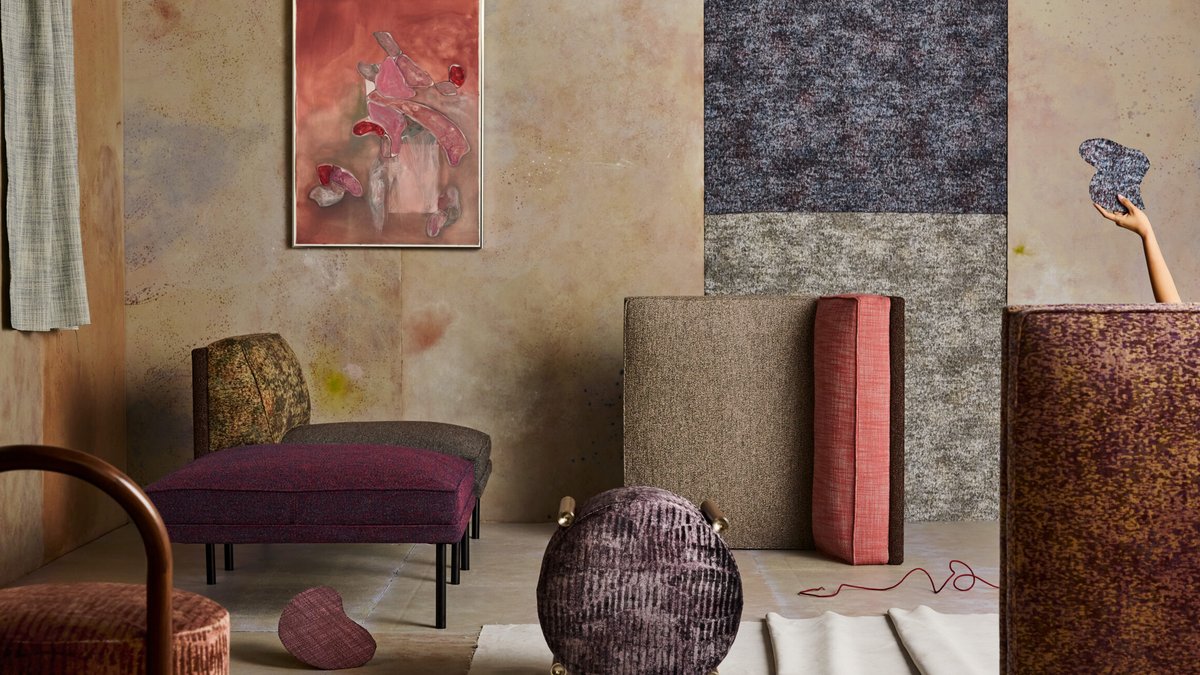
Eight new product ranges launched this week blend cultural references with contemporary design, offering interior specialists fresh ways to tell stories through material, color, and form.
Textile narratives: rugs that echo architecture and art
Japanese architect Kengo Kuma introduced sixteen woven floor pieces that mirror his signature facades, combining wool with regenerated viscose. The pieces aim for a modern look while staying rooted in traditional hand‑weaving, and they showcase a palette of natural shades that shift subtly under light.
In a collaboration with the Eames Office and Form Portfolios, the brand nanimarquina released abstract rugs derived from seven works by American artist Lucia Eames. Motifs of butterflies, birds and other organic forms are translated into woven textures, extending the Eames legacy into a new material language.
The rug series emphasizes tactile depth, yet the overall aesthetic remains restrained, allowing the patterns to speak without overwhelming a room.
These textiles illustrate how craft can serve both function and narrative, a balance that many designers seek but rarely achieve so cleanly.
Related: Rethinking design for autism support
Wall surfaces that honor heritage and materiality
Mexican designer Alfonso Verduzco unveiled three wall panel options that incorporate lava stone, obsidian and copper. Inspired by sacred architecture, the panels celebrate imperfections, letting natural variations become focal points rather than flaws.
Meanwhile, Micare presented a line of glazed ceramic panels that recall the color intensity of the 1960s and ’70s. Six color families appear in three saturation levels, and a mica‑infused glaze adds a faint sparkle that catches the eye.
The series of panels, offered in Glass, Chroma and the brand’s signature Varia finish, targets public environments where color can affect mood. The hues reference fruit, earth and global traditions, aiming to create calm and build a sense of connection.
While the materials differ, both designers stress authenticity; the tactile quality of stone and the reflective quality of glaze each tell a different part of a larger cultural dialogue.
These wall treatments hint at a broader shift toward materials that carry narrative weight, suggesting that future interiors may rely less on pure aesthetics and more on story‑telling surfaces.
Flooring as a stage for pattern and personality
A partnership between Tarkett Hospitality and Kellie Sirna of Studio 11 Design produced the “Wild Runway” floor line, featuring ten animal‑inspired motifs rendered with precise geometry. The collection describes itself as “couture for the floor,” drawing from urban settings and 1990s European runway fashion.
Related: Blackstone griddle impresses in latest test
Shaw Contract revived retro styles in its “Cult Classics” range, offering carpet tiles, broadloom, and hard‑surface options in saturated colors and layered textures. The series balances familiarity with fresh twists, appealing to spaces that want a nod to the past without feeling dated.
New York artist Liam Lee contributed four colorful patterns derived from his paintings that blend abstraction and figuration. The designs, part of the HBF series, echo the look of paint‑by‑numbers kits, inviting playful experimentation across different flooring formats.
These flooring choices turn surface design into a focal point instead of a background, allowing the ground beneath a room to become an expressive element.
Overall, the eight releases illustrate a growing trend where designers reach back to cultural touchstones while employing modern manufacturing, suggesting that the next wave of interior products will continue to merge history with innovation.
Design continues to evolve.