Small cracks in an asphalt driveway allow water to seep beneath the surface. Freeze-thaw cycles then widen them into potholes. Filling them early can extend the driveway’s life without hiring a contractor. The best product depends on crack size, weather exposure, and how much effort the homeowner is willing to invest.
One product stands out for most homeowners
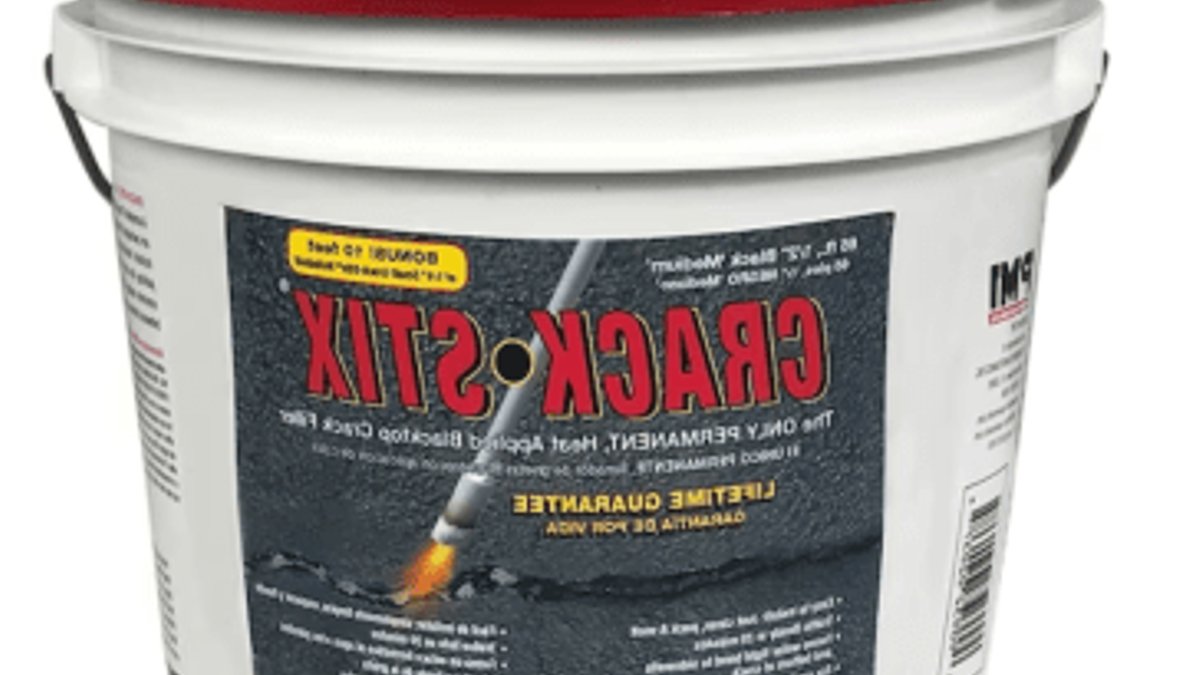
After researching dozens of options, the Crack-Stix Black Permanent Crack Filler emerged as the top choice. Its asphalt-based rope expands and contracts with the surface to last across seasons, forming a durable seal. The formula contains no volatile organic compounds.
Using it requires a blowtorch to melt the ½-inch rope into cracks between ¼ and ½ inch wide. Smaller cracks may need sand backfill first. The patch cures in about 30 minutes. One 125-foot roll covers roughly 65 linear feet of cracks, sufficient for most residential driveways.
Those who prefer not to use a torch can opt for liquid or caulk-style fillers, though these may not last as long in harsh climates.
Other options fit specific needs
The Latex-ite Dura Sand Mix Driveway Filler Sealer comes in a 4.75-gallon pail and covers up to 500 square feet. Its sand-infused formula improves traction and works best on hairline cracks under ⅛ inch. Cleanup is simple with soap and water.
Red Devil’s asphalt crack filler, available in a 10.1-ounce caulk tube, is the most affordable option. A standard caulking gun applies it to cracks up to ½ inch wide. One tube covers about 55 linear feet.
QPR’s High-Performance Permanent Pavement Repair offers a different solution: a 50-pound bag of dry aggregate that hardens into a permanent patch. It works in any weather and can fill potholes as well as cracks, though it’s excessive for hairline fractures. The product contains no VOCs and is rated for zero water runoff toxicity.
Latex-ite Pli-Stix, another rope-style filler, is designed for deeper cracks up to 1 inch wide. Like Crack-Stix, it requires a heat gun or blowtorch. The waterproof bond stays flexible, but it isn’t suitable for cracks wider than an inch.
None of these products will fix alligator cracking, which indicates subbase failure and typically requires professional repaving.
In colder climates, liquid fillers can become brittle over time. Rope-style products, while more labor-intensive, generally perform better through repeated freeze-thaw cycles. Even the best filler won’t last indefinitely, so regular inspections and touch-ups remain necessary.
The decision often involves balancing convenience and durability. A caulk tube is fast but may require reapplication within a year or two. A blowtorch and asphalt rope demand more effort. Either approach costs far less than repaving.
Most major home improvement stores carry these products, though availability varies by region. Online marketplaces offer a broader selection but may introduce shipping delays for heavy items like the QPR aggregate.
Proper maintenance can prevent minor damage from becoming costly repairs. Addressing cracks early keeps water out and preserves the driveway’s structure.
Homeowners can also strengthen their roof to protect against similar weather-related wear.