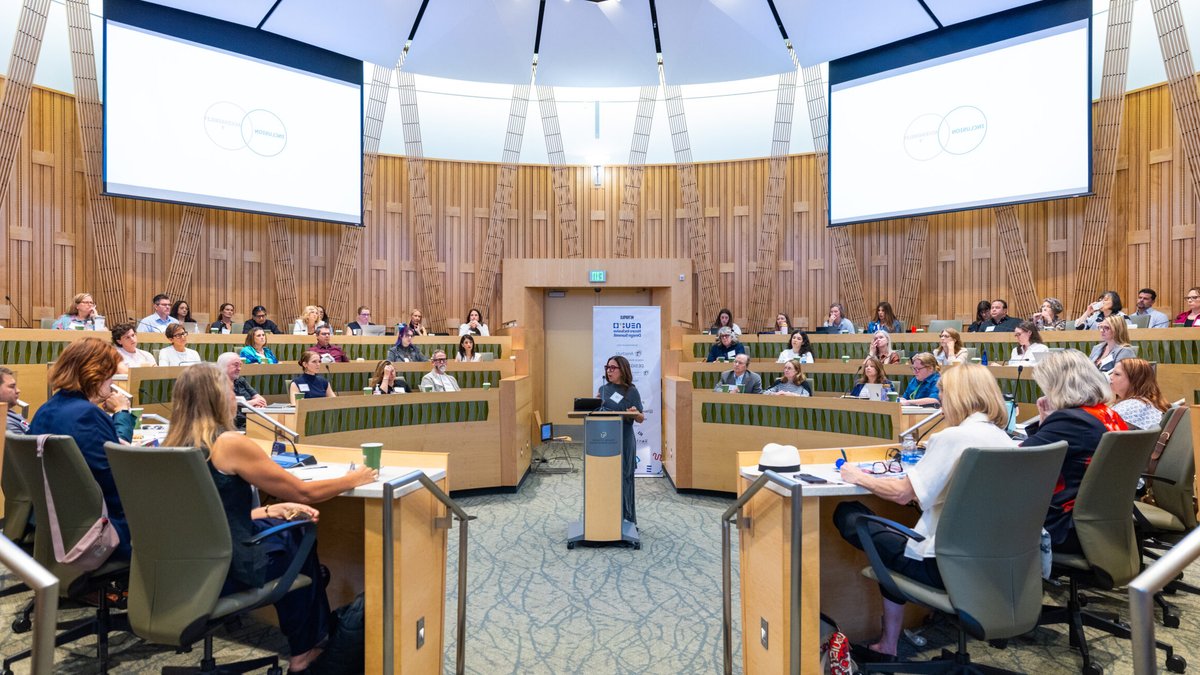
Neuroinclusive design moves beyond creating specialized zones for autistic individuals, aiming instead to build environments that acknowledge the full spectrum of human sensory and cognitive experiences. This approach relies on understanding empathy, sensory perception, and social context to create equitable spaces, rather than treating the concept as a trendy buzzword. The neurodiversity movement argues that every space communicates through light, sound, and material, meaning no design is truly neutral.
Designing for Civil Rights
Advocates for this framework stress that neurodiversity is not a passing trend, but a matter of civil rights. David O’Coimin, founder of Nook, noted that every designed space has excluded someone. Kay Sargent, a principal at HOK, framed this as a moral imperative to ensure all occupants can thrive. Don Ruggles, an architect and director at UC Anschutz, went further, arguing that neurological balance is not an accommodation, but a civil right. The discussion centers on recognizing exclusion as a design problem and adjusting processes to support both individual needs and collective liberation.
Related: Pallas Launches New Textile Line Inspired by Monet
While many architects focus on reducing sensory stimulation through muted colors and acoustic treatments, others push for a broader view. Neuroaesthetics is the study of how the brain perceives beauty and design. Upali Nanda of HKS pointed out that access to daylight and nature can support awe, which boosts health and social interaction. Magda Mostafa, an autism design consultant and professor at the American University in Cairo, emphasized that environments should produce positive sensory experiences. She argued for “universal delight” rather than a neutral aesthetic, suggesting that sensory spaces should be “acts of abundance.”
Participatory Design Frameworks
The summit highlighted that architectural design is inherently sensory design. Every material, threshold, and circulation path contributes to a person’s experience of a building. Amanda Perches, an occupational therapist, noted that some individuals need calming spaces while others need movement to regulate, yet these needs can coexist when the environment is designed with intention. Choosing essential furniture and sensory equipment first, then designing the space around them, is a key strategy for functionality.
Related: Top Deck Boxes for Your Yard
Dr. Angelita Scott introduced the ASD Design Matrix, a framework developed to shift away from prescriptive checklists. The tool considers the individual alongside the physical environment and social conditions. Dr. Scott stated there is no universal autism experience, and a one-size-fits-all design response does not exist. The matrix functions as a catalyst for conversation rather than a rigid list of requirements. This participatory approach is critical; ensuring neurodivergent voices lead the conversation is seen as essential for the future of the work.
It is easy to view these principles as a set of optional add-ons for a project, but the shift toward inclusivity requires deeper integration. If the industry continues to treat sensory needs as a specialized sub-discipline rather than a core component of architecture, the gap between design intent and lived experience will persist. The transition from designing “for” neurodivergent people to designing “with” them remains the most significant hurdle. Relying on standard universal design principles often overlooks the specific, non-linear ways that individuals process their surroundings, potentially leaving the most vulnerable populations without the support they need.