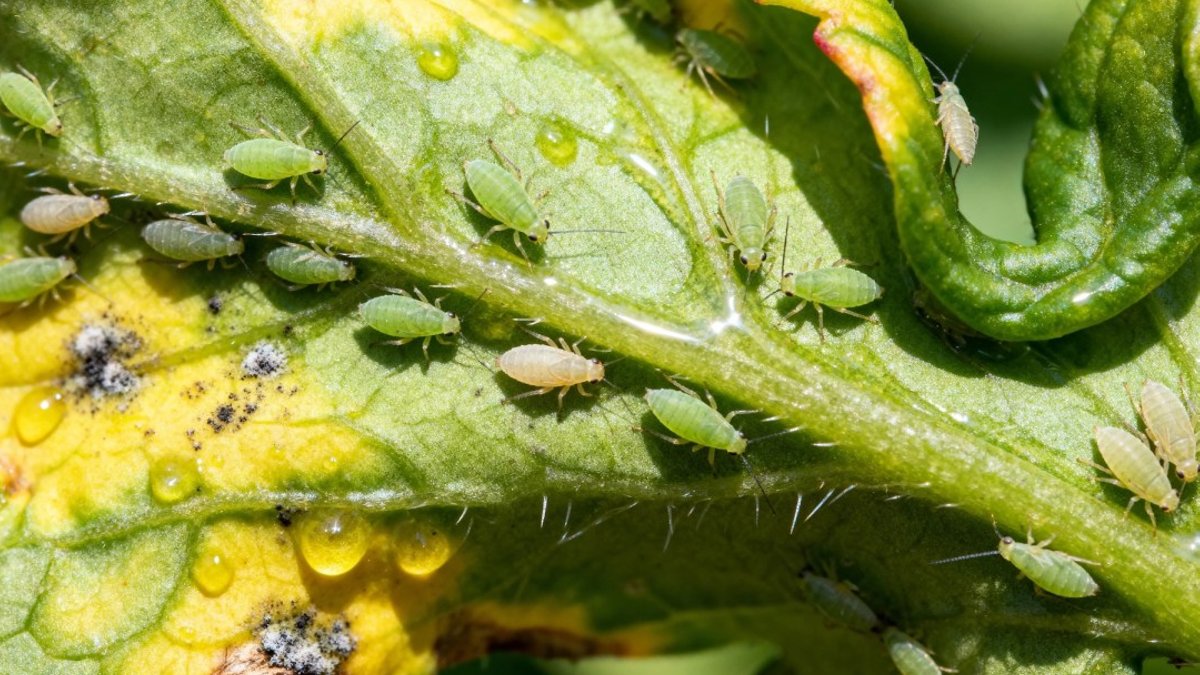
Gardeners often notice their plants are stunted or yellowing despite their best efforts, and the culprit is frequently aphids. These tiny, pear-shaped insects attack soft new growth and leave behind sticky residue known as honeydew. While they mostly damage the appearance of leaves, a heavy infestation can stunt young plants or spread diseases. The Aphidoidea superfamily includes about 5,000 species globally, but only a few rank as serious pests in North America. Identifying the specific type of aphid attacking your garden can help determine the best course of action.
Most aphids measure between 1/16 and 1/8 inch long and are green by nature, though they can appear in shades of red, yellow, brown, gray, or black. They typically cluster on the undersides of leaves or at the base of densely packed foliage like day lilies. The most common species found in gardens include the green peach aphid, which attacks tomatoes and peppers, and the cabbage aphid, which targets brassicas. The oleander aphid stands out due to its bright yellow color and preference for milkweed.
University of Minnesota Extension advises that treating aphids is usually unnecessary unless plants are severely infested or prone to viruses. For minor outbreaks, the most natural solution is often the most effective. A strong stream of water from a garden hose can dislodge aphids from their feeding sites. Gardeners should spray the plant thoroughly, focusing on the undersides of the leaves, and repeat this process every few days for up to two weeks. If the pests return, hand-picking them off with gloves or crushing them with a damp cloth is a viable alternative. This method works well for both indoor and outdoor plants, provided you avoid handling fungus-prone plants when they are wet.
When water alone is not enough, a homemade insecticidal soap can help. Mixing a few teaspoons of mild liquid dish soap with one quart of water creates a solution that desiccates the soft bodies of the insects without harming the plant. The mixture should be applied to the stems, buds, and the undersides of leaves. Repeating this every two or three days is usually necessary to break the reproductive cycle of the colony. Lauren Landers, a contributing writer, notes that she often uses a hose for outdoor plants and Castile soap for severe indoor infestations, emphasizing that aphids are one of the easier pests to tackle once you stop trying to eradicate every single one from the ecosystem.
Once the infestation is under control, gardeners should focus on prevention to stop the pests from returning. Encouraging beneficial insects like lady beetles, lacewings, and parasitic wasps is an effective strategy. These predators feed on aphids and can keep their population in check without chemical intervention. Planting flowers that provide nectar or ground covers that offer shelter can attract these helpful bugs. Alternatively, companion planting with aromatic herbs such as oregano, chives, and garlic can deter aphids from settling on prized vegetables and flowers.
If aphids become a recurring problem, gardeners must balance control with environmental impact. Overfertilizing plants encourages the soft new growth that aphids prefer, so moderation is key. While systemic pesticides like Imidacloprid are available, they can negatively affect pollinators and other beneficial insects, so they should only be used as a last resort after other methods have failed. Keeping a close eye on the garden throughout the season allows for early detection, ensuring that small colonies are managed before they can cause significant damage to the vegetation.
Reducing reliance on central air conditioning can also help mitigate the issue. Mini-split systems allow for targeted cooling without pressurizing the entire home, which may reduce the humidity levels that attract these pests to indoor plants.
Prices for cooling solutions are currently competitive. Amazon cuts AC prices up to 60%, making efficient cooling options more accessible for homeowners looking to manage their energy bills.