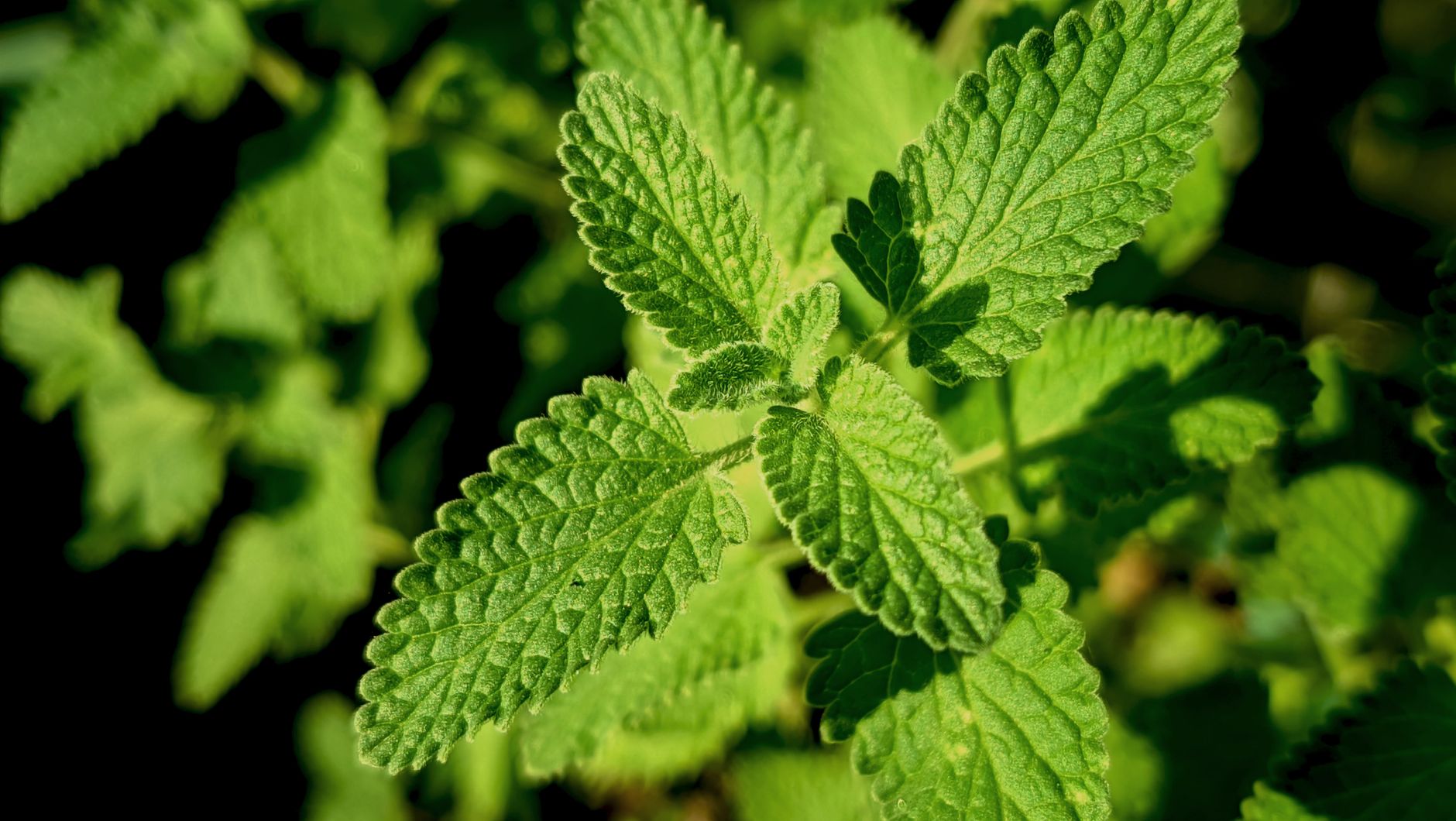
Scientists in Uganda and the U.K. have identified a potential alternative to DEET-based insect repellents, finding that catnip’s essential oil may repel mosquitoes just as effectively. The discovery, presented at the Society for Experimental Biology Conference, emphasizes the potential of a low-cost, locally produced solution for regions where DEET is too expensive or unavailable. The research focuses on nepetalactone, a compound in catnip’s essential oil, which mosquitoes strongly avoid. According to the World Health Organization (WHO), 95% of the 300 million annual malaria cases occur in Africa, where the lack of affordable repellents exacerbates the burden of disease. This context shows the urgency for scalable, community-driven solutions that do not rely on imported chemicals or costly manufacturing processes.
A Plant That Grows Easily
Catnip, a member of the mint family, thrives in poor soil and spreads quickly through self-seeding. This makes it a practical candidate for rural communities seeking sustainable mosquito control. Researchers extracted nepetalactone from the plant and tested its effectiveness in lotions mixed with shea butter, olive oil, and other ingredients. The results showed that even at low concentrations, the oil repelled mosquitoes for up to four hours. The study, published in Scientific Reports, confirmed that the repellent’s efficacy is comparable to DEET-based products when applied at specific dilutions. The inclusion of stearyl alcohols in the formulation helped stabilize the essential oil, ensuring consistent performance across varying environmental conditions.
At a 2% concentration, the catnip lotion repelled up to 70% of mosquitoes. When increased to 6%, its effectiveness matched that of commercial DEET repellents containing 15% concentration. This suggests the plant-based product could offer a viable alternative in areas where DEET is not accessible. Local production could also reduce costs and empower communities to participate in manufacturing. Dr. Simon Scofield, one of the researchers, highlighted the importance of involving local people in the production cycle, noting that “DEET is out of the price bracket for most rural Ugandan subsistence farmers.” By cultivating and processing catnip, communities could generate income while addressing a critical public health need.
Related: Thrifted Drawer Knobs Give Faux Plants New Style
Caution for Travelers and High-Risk Areas
While the findings are promising for regions with limited access to DEET, health officials emphasize that existing guidelines for travelers still recommend using DEET-based repellents, permethrin-treated nets, and malaria prevention drugs. The study does not claim the catnip lotion is a complete replacement for commercial products, especially in areas with high risks of diseases like Zika or West Nile virus. Official guidance for travelers includes using up to 50% DEET-based repellents, which provide longer-lasting protection in regions with complex disease transmission trends.
Dr. Scofield noted the goal was to create a repellent that is both effective and affordable. “Local people can be involved in the production cycle,” he said, highlighting the potential for rural enterprises to benefit from cultivating and processing catnip. However, challenges remain in scaling production and ensuring consistent quality for widespread use. The study’s authors also emphasized the need for further research to evaluate the repellent’s performance against a broader range of mosquito species and under varying climatic conditions. Some experts wonder how quickly this discovery could translate into practical applications. While the science supports the potential, turning a laboratory finding into a widely available product requires overcoming logistical hurdles such as standardizing extraction methods and securing regulatory approvals. For now, the study offers a glimpse of what might be possible if further research and investment follow.